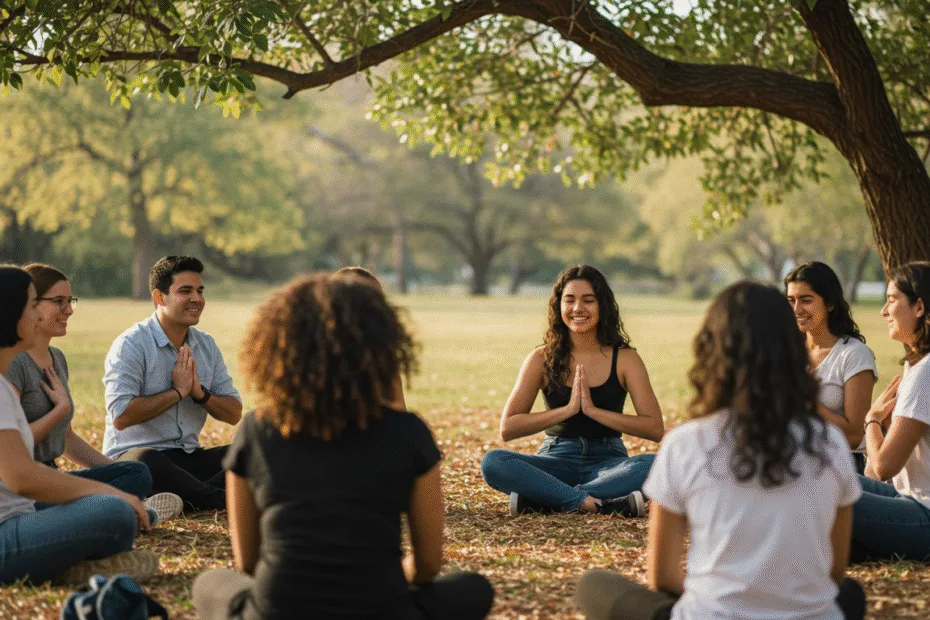
Struggling with anxiety as a student in a low-income area? Find practical, affordable stress relief strategies to help manage mental health effectively.
🧠 Understanding Anxiety Among Students
Anxiety among students has become increasingly common, especially in low-income communities where resources are limited. Academic pressure, financial instability, and social challenges can all contribute to rising levels of stress and anxiety.
According to the World Health Organization (WHO), one in seven adolescents globally experiences a mental disorder, with anxiety being one of the most prevalent. However, many students in low-income areas lack access to proper mental health care or coping strategies.
This article will explore effective, easy-to-implement anxiety tips for students in low-income areas that don’t require expensive therapy or medication.
| Flag | Country | Region | Income Level |
|---|---|---|---|
 | Afghanistan | South Asia | Low income |
 | Bangladesh | South Asia | Lower middle income |
 | Nepal | South Asia | Low income |
 | Pakistan | South Asia | Lower middle income |
 | Sri Lanka | South Asia | Lower middle income |
 | Ethiopia | Sub-Saharan Africa | Low income |
 | Kenya | Sub-Saharan Africa | Low income |
 | Nigeria | Sub-Saharan Africa | Lower middle income |
 | Tanzania | Sub-Saharan Africa | Low income |
 | Uganda | Sub-Saharan Africa | Low income |
 | Bolivia | Latin America & Caribbean | Lower middle income |
 | El Salvador | Latin America & Caribbean | Upper middle income |
 | Honduras | Latin America & Caribbean | Lower middle income |
 | Paraguay | Latin America & Caribbean | Lower middle income |
 | Peru | Latin America & Caribbean | Upper middle income |
 | Cambodia | East Asia & Pacific | Lower middle income |
 | Indonesia | East Asia & Pacific | Upper middle income |
 | Laos | East Asia & Pacific | Low income |
 | Papua New Guinea | East Asia & Pacific | Lower middle income |
 | Vietnam | East Asia & Pacific | Lower middle income |
 | Morocco | Middle East & North Africa | Lower middle income |
 | Yemen | Middle East & North Africa | Low income |
 | Sudan | Middle East & North Africa | Low income |
 | Tunisia | Middle East & North Africa | Lower middle income |
 | Syria | Middle East & North Africa | Low income |
 | Albania | Europe & Central Asia | Upper middle income |
 | Armenia | Europe & Central Asia | Lower middle income |
 | Georgia | Europe & Central Asia | Lower middle income |
 | Kyrgyz Republic | Europe & Central Asia | Low income |
 | Ukraine | Europe & Central Asia | Lower middle income |
💸 Why Anxiety Is Common in Low-Income Communities
In many low-income regions, students face additional stressors that can trigger or worsen anxiety:
- Financial worries: Concerns about school fees, food, or housing.
- Overcrowded classrooms: Less individual attention from teachers.
- Exposure to violence or crime: Living in unsafe neighborhoods increases trauma risk.
- Limited access to mental health services: Few counselors or clinics available.
- Family pressures: Expectations to support family financially or emotionally.
These conditions often lead to chronic stress, which can evolve into generalized anxiety or panic disorders if left unaddressed.
😟 Common Signs of Anxiety in Students
Recognizing anxiety early is crucial. Here are some signs that a student may be struggling:
- Difficulty concentrating or focusing on studies
- Frequent headaches or stomachaches without medical cause
- Avoiding school or social situations
- Trouble sleeping or excessive fatigue
- Irritability or mood swings
- Overthinking or constant worry about small things
If these symptoms persist, it’s important to take action and provide support.
💡 Affordable Anxiety Tips for Students in Low-Income Areas
Here are practical, no-cost or low-cost anxiety management techniques tailored for students facing financial constraints.
1. Breathing Exercises for Immediate Relief
Simple breathing techniques can calm the nervous system within minutes. One effective method is the 4-7-8 technique:
- Inhale quietly through your nose for 4 seconds
- Hold your breath for 7 seconds
- Exhale slowly through your mouth for 8 seconds
- Repeat this cycle 3–4 times
This passive way of managing anxiety doesn’t require any tools or training.
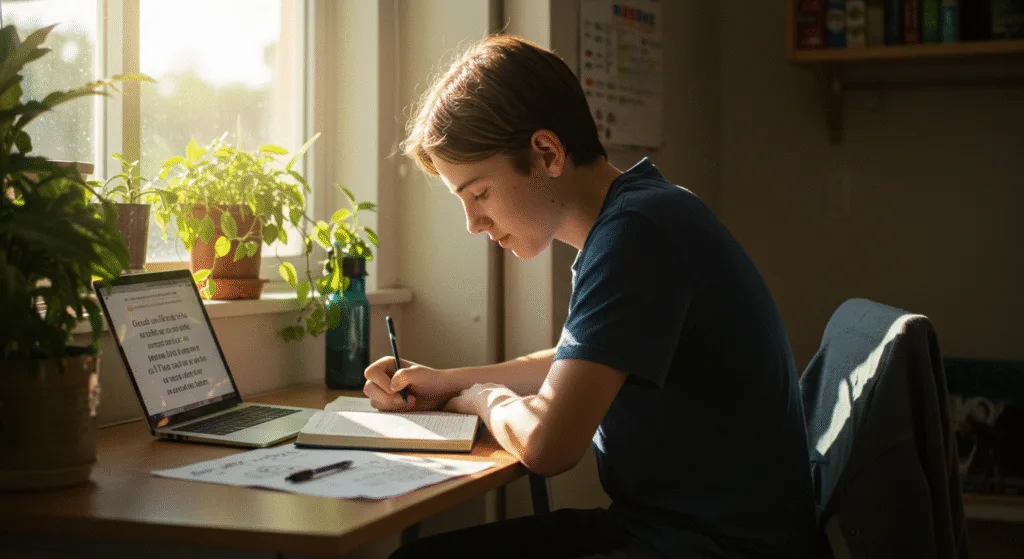
2. Journaling Emotions and Thoughts
Writing down feelings can help process emotions and reduce stress. Encourage students to:
- Keep a notebook handy
- Write daily about what they’re feeling
- Reflect on positive moments at the end of the day
No need for fancy journals — even scrap paper works!
3. Physical Activity as a Natural Stress Reliever
Exercise releases endorphins, which naturally improve mood. Even short walks, stretching, or dancing to music can make a difference.
Schools and community centers can promote group activities like yoga or sports to encourage movement and social connection.
4. Mindfulness Through Daily Routines
Being present in the moment helps reduce overthinking. Teach students to:
- Focus on one task at a time (e.g., eating slowly, listening fully)
- Observe their surroundings without judgment
- Take short breaks during study sessions
These habits can be practiced anywhere and anytime.
5. Connecting with Trusted Friends or Family
Talking about problems can ease emotional burdens. Encourage students to:
- Share feelings with someone they trust
- Join peer support groups
- Participate in school clubs or community gatherings
Social support is one of the strongest defenses against anxiety.
6. Limiting Exposure to Negative News and Social Media
Constant exposure to stressful content can increase anxiety. Suggest students:
- Set specific times for checking news or apps
- Follow uplifting or educational accounts
- Turn off notifications before bed
Creating digital boundaries can protect mental peace.
7. Setting Realistic Goals and Celebrating Small Wins
Feeling overwhelmed by large tasks can increase anxiety. Help students break goals into smaller steps and celebrate progress, even minor achievements.
For example:
- “Today I finished one math worksheet”
- “I asked one question in class”
Small wins build confidence and reduce performance pressure.
🏫 How Schools Can Support Student Mental Health
Schools play a critical role in supporting students’ emotional well-being, especially in under-resourced communities.
Implement Peer Counseling Programs
Students are more likely to open up to peers who understand their experiences. Training older students as mentors can create a safe space for emotional expression.
Host Weekly Wellness Workshops
Even short weekly sessions on mindfulness, time management, or emotional regulation can have long-term benefits.
Provide Accessible Mental Health Resources
Posters, booklets, or guest speakers can raise awareness and reduce stigma around anxiety and mental health.
🤝 Community-Based Strategies to Reduce Anxiety
Communities can come together to support youth mental health:
- Local libraries offering quiet spaces for homework and reading
- Youth centers hosting art, music, or sports activities
- Faith-based organizations providing counseling or mentorship
- Volunteer programs connecting students with supportive adults
By building a network of care, communities can buffer the effects of poverty and stress on young minds.
🩺 When to Seek Professional Help
While self-help strategies are powerful, professional support should not be ignored when needed. Signs that a student might benefit from expert help include:
- Persistent sadness or hopelessness
- Thoughts of self-harm or suicide
- Panic attacks that interfere with daily life
- Significant changes in behavior or academic performance
Encourage students to reach out to:
- School counselors
- Local clinics or NGOs offering free services
- National mental health hotlines
Many countries offer free or low-cost mental health support for students.
🌱 Conclusion: Small Steps Make a Big Difference
Managing anxiety doesn’t always require expensive treatments or complex interventions. For students in low-income areas, simple, accessible strategies can bring meaningful relief.
From deep breathing exercises to peer support and physical activity, there are many ways to cope with anxiety without breaking the bank. The key is consistency, compassion, and community support.
Let’s work together to ensure every student, regardless of income level, feels supported and empowered to thrive mentally and academically.
Read This Article: The Effects of Social Media on Mental Health